
Tire Pressure Sensor (TPMS): Function, Systems, Lights & Replacement
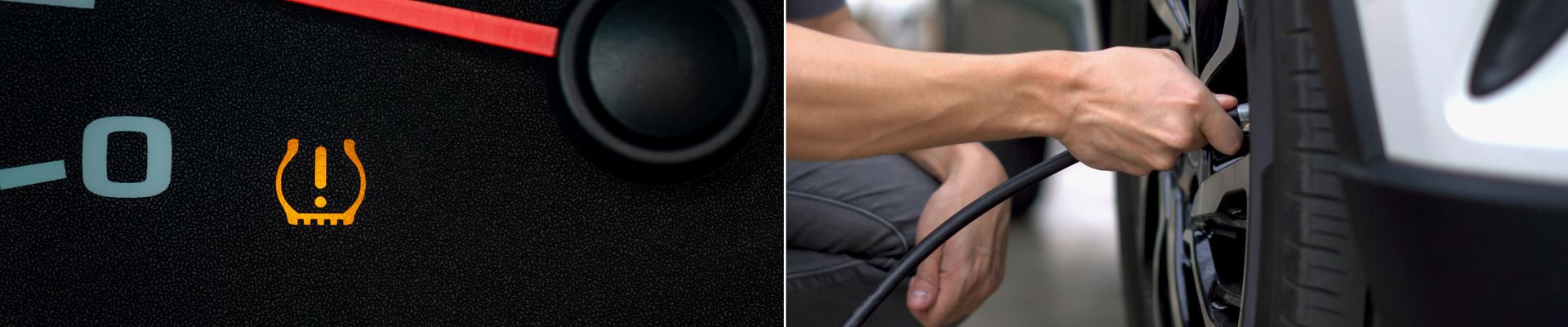
The hunt for a replacement tire pressure sensor is quick and easy when you visit GM Parts Direct. We specialize in getting you the genuine GM parts you need, including tire pressure sensor replacements and extra batteries. Read our guide to learn more about the types of tire pressure monitoring system (TPMS) sensors and how they work. If you need help locating the correct replacement part, contact our team.
What Is the TPMS?
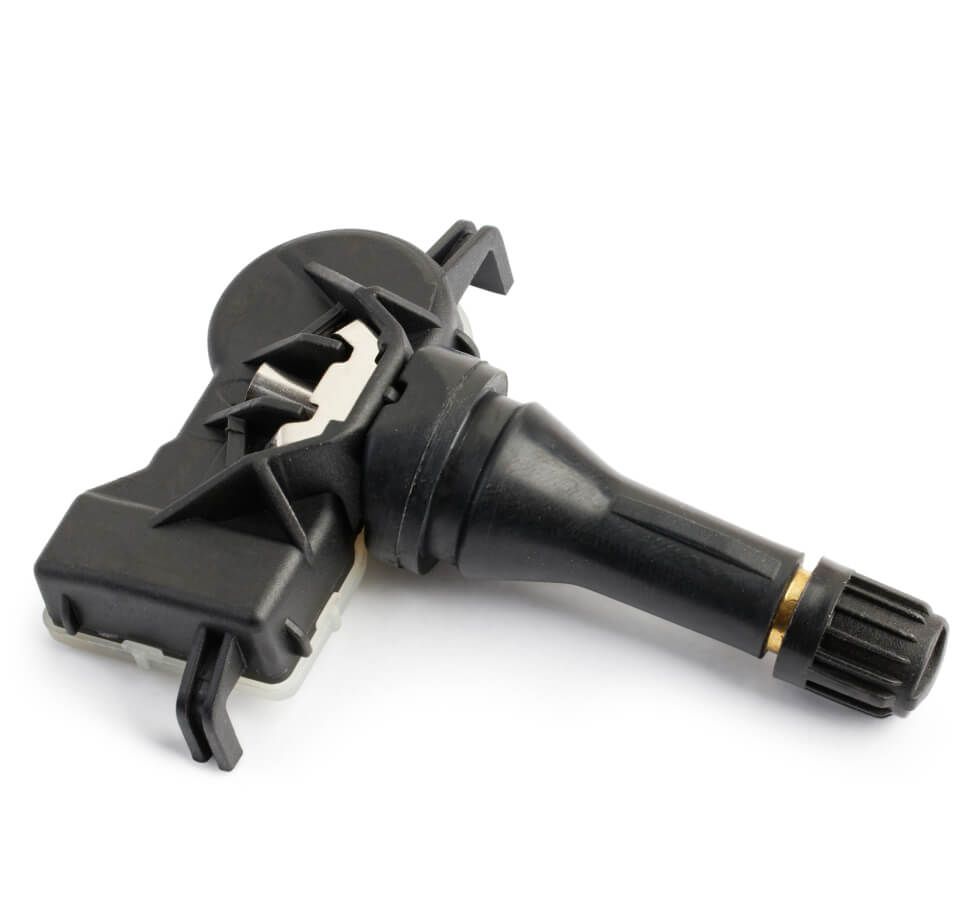
TPMS stands for Tire Pressure Monitoring System. This technology measures the air pressure inside your tires using a tire pressure sensor located around or within each tire. The sensor's location depends on your vehicle's type of Tire Pressure Monitoring System. The information is recorded and sent to the vehicle's computer. When a value is received that does not adhere to the tire's proper air pressure needs, the TPMS indicator light will illuminate on the dashboard. When you see this indicator turn on, it's time to investigate the issue or get professional care.
The Tire Pressure Monitoring System is designed to protect you and your family by ensuring the tires are filled with appropriate air for functioning. This system helps avoid tire blowouts, popping, or flats that can cause accidents – especially if driving at high speeds.
How Does the TPMS Sensor Work?
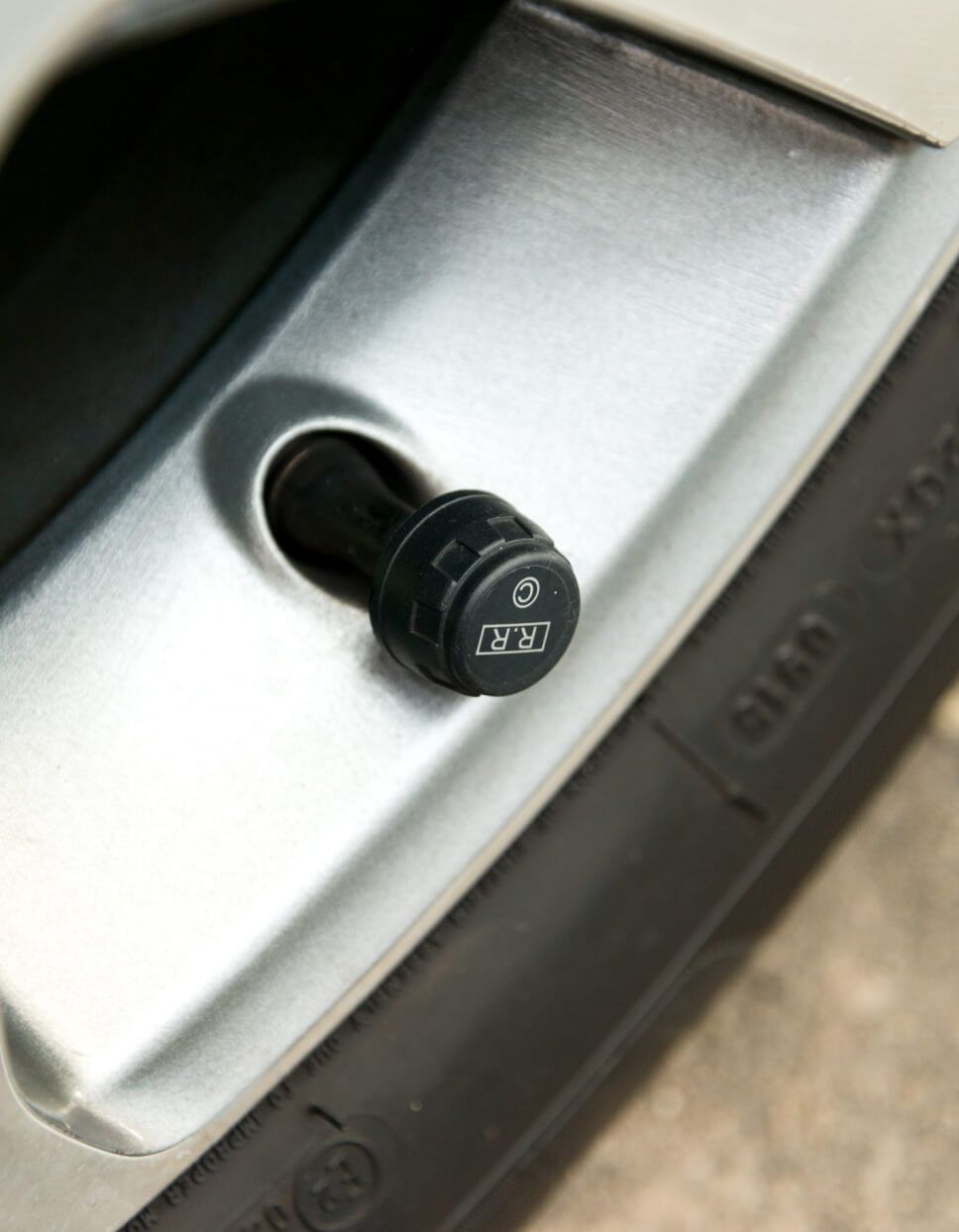
There are two types of Tire Pressure Monitoring Systems, and each works in a slightly different way. An indirect tire pressure sensor is software-based – it uses the speed of a tire to determine how much air is inside. If one tire is rotating faster than the others, the system will determine the tire does not have the appropriate amount of air inside and alert the driver.
A direct tire pressure sensor is a piece of hardware inside each wheel that measures the air pressure from within. These wireless devices also communicate to the vehicle in a similar way as the indirect tire pressure sensors.
In either case, the information produced by the TPMS is invaluable and allows you to stay on top of care. Typically, a TPMS issue is resolved by filling the tires with the appropriate amount of air. However, a chronic alert may mean a leak in the tire must be repaired or replaced.
The TPMS alert on your dashboard can be turned off after your vehicle receives the care it needs. If done at a dealership, one of the expert technicians will conduct that reset after finishing up an evaluation, tire repair, or TPMS repair. Typically, resetting the TPMS is done through the settings menu on newer models and is relatively easy to locate.
Tire Pressure Monitoring System Types: What Are They?
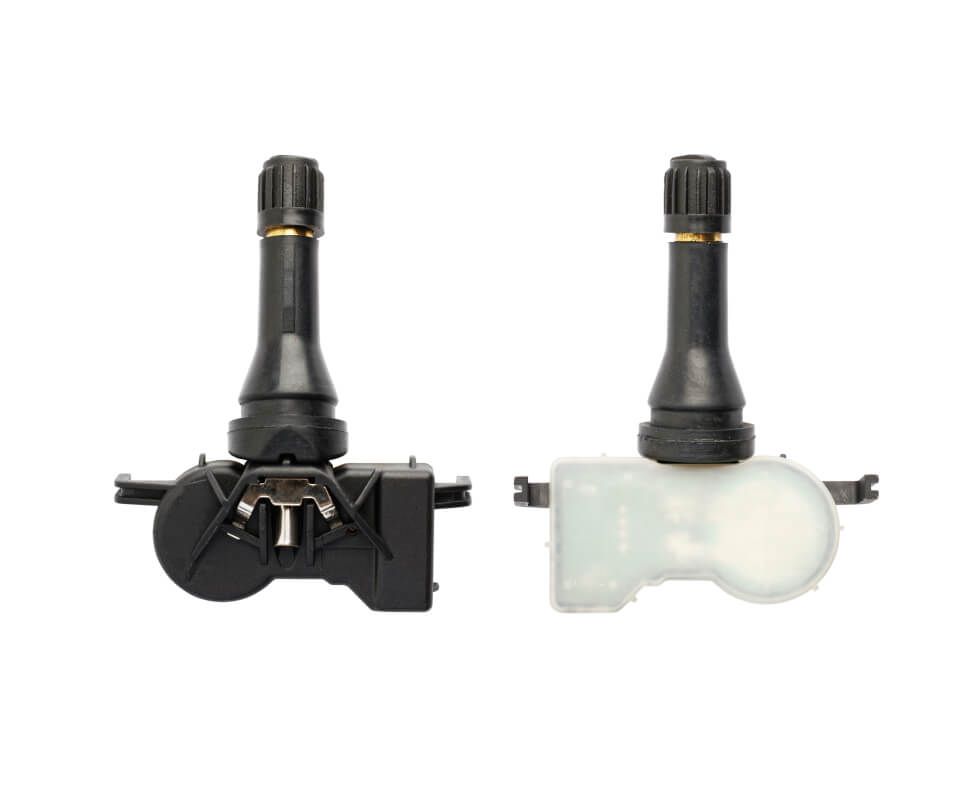
As mentioned above, there are two types of tire pressure sensors and systems: direct and indirect. The direct tire pressure sensors grab data about the tire pressure by residing physically inside the tire and transmit this information wirelessly.
The second type of Tire Pressure Monitoring System operates with an indirect sensor. This type of sensor is located close to the tire and wheel housing. Each type serves the same exact purpose, and which is used by your vehicle will depend on the make and model.

How Long Does a TPMS Sensor Battery Typically Last For?
TPMS sensors run on batteries that typically last between five and 10 years, with seven years being the most common milestone for the components' retirement. Several factors can impact the life span of these batteries, including the climate in which the vehicles spend the most time and driving habits. Frequent stop-and-go behavior can decrease the length of time these batteries and sensors last, as can tropical weather.
In some cases, the battery is permanently housed inside the sensor and cannot be replaced. However, some sensors may have a more user-friendly construction that allows you to pop open the housing and replace the batteries. If you have doubts about the health of your tire pressure sensor batteries and are on the hunt for new parts, contact our GM Parts Direct team. Our staff will be happy to review your vehicle information and get you the replacement sensor or battery you need.
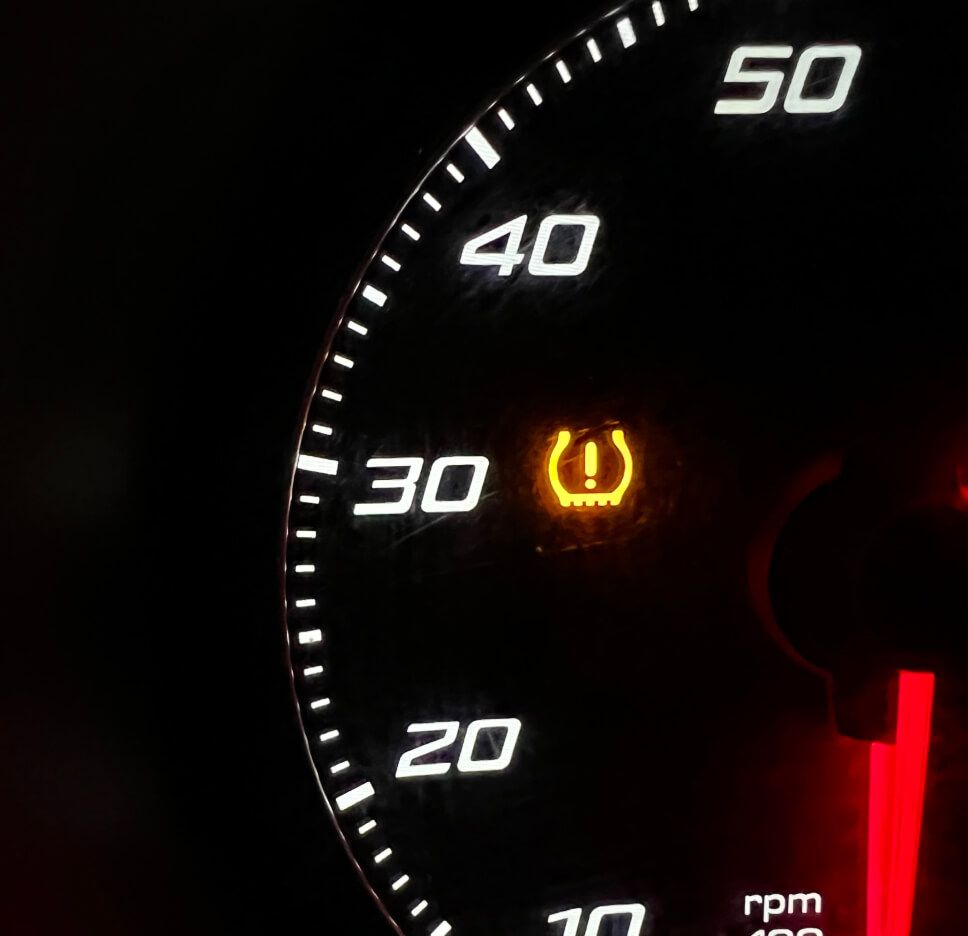
What Does the Tire Pressure Sensor Light Mean?
When you see the tire pressure sensor light on the dashboard, it means there is usually an issue with the tire pressure sensor. In some cases, this may mean the batteries are drained and need to be replaced or that the sensor is no longer reading properly. Several reasons can cause the tire pressure sensor to read inaccurately, such as grime or dirt, which can disrupt data transmission. Corrosion, faulty wiring, and low power from the batteries are also common culprits of the tire pressure sensor light appearing on your dash.
Unfortunately, there's no way to know why the light has come on until your vehicle is seen by a specialist. Anything from a stray nail or road debris to a bubble in the tire wall may cause the light to pop up.
What Should I Do When the TPMS Light Is On?
When you see the TPMS light come on, it can be easy to panic quickly, but typically, there is no cause for immediate concern. As long as your tires are inflated and in good health, you have time to safely park and evaluate the issue. Some sensors may run on a mileage-based timer, meaning they automatically go on to prompt you to inflate your tires and conduct a routine investigation of their health.
Regardless of the reason for the light coming up on the dashboard, the safest course of action is to look around for any cause. If no obvious cause is present, you may be able to turn off the TPMS alert for now and monitor your tire health. However, if there is damage to the sensor, a flat tire, or other issue, you'll need to address it before resetting the alert. Thankfully, if you have the know-how to take care of it yourself, our GM Parts Direct inventory may have the exact component you need. Browse our catalog for appropriate sensors or batteries.
Do not ignore the tire pressure sensor light when it comes up on your dashboard. This alert is meant to keep you aware of any potential issues. Ensure all your tires have an appropriate amount of air, check for any damage, and conduct maintenance as needed when you notice the alert.
How Do You Fix the Tire Pressure Monitor Sensor?
Fixing a tire pressure sensor sometimes involves working with the direct type of sensors. These are built into the tire and measure air pressure from within. For these sensors, professional assistance is required. You may be able to finagle with indirect tire pressure sensors, but this is not recommended unless you have auto maintenance expertise. Improper installation can cause the unit to malfunction and give you false readings. It may not warn you of a tire pressure issue, which can lead to a burst tire or a flat tire at the most inopportune times.
If you genuinely need to reset your TPMS light, though, it's possible in some models. Consult your owner's manual to determine if your system has a reset function. Drive your vehicle for 10 minutes at a speed around 50 mph, if you can, then use your model's instructions to reset the system.
Although you can get professional care for this service, you may save by doing it yourself – and our parts inventory can be handy in this case. We may be able to get you tire pressure sensors or batteries made specifically for your vehicle at a cost you can get behind.
How Long Does a Tire Pressure Sensor Replacement Take?
One thing we love about GMC parts is how straightforward they are. Indirect tire pressure sensors are an excellent example of this since they are located conveniently in or around the wheel. Replacement should only take about 30 minutes to one hour, depending on the type of sensor that needs replacement. Replacing the sensor battery may take a pinch longer due to the removal of the housing.
Stay Informed With a New Tire Pressure Sensor
Here at GM Parts Direct, we understand how busy life can get and how challenging it may be to locate the correct parts. That's why we take great pride in getting you the parts you need in a timely manner. Call today, and we'll use your vehicle information to get you the tire pressure sensor replacement that works best for your model. Plus, we may be able to help you save with our parts deals.
If you're looking to boost performance with special Chevrolet parts, you're in the right place. Search our catalog to upgrade your ride with genuine GM parts sourced directly from the manufacturer.
Find TPMS Products Quickly:
| TPMS # 13540601 | TPMS # 13540601 | TPMS With Nut # 19383801 |
| TPMS # 13540606 | TPMS Snap In # 13540600 | TPMS Kit # 13540602 |