
Everything You Need To Know About Car Engine Coolant
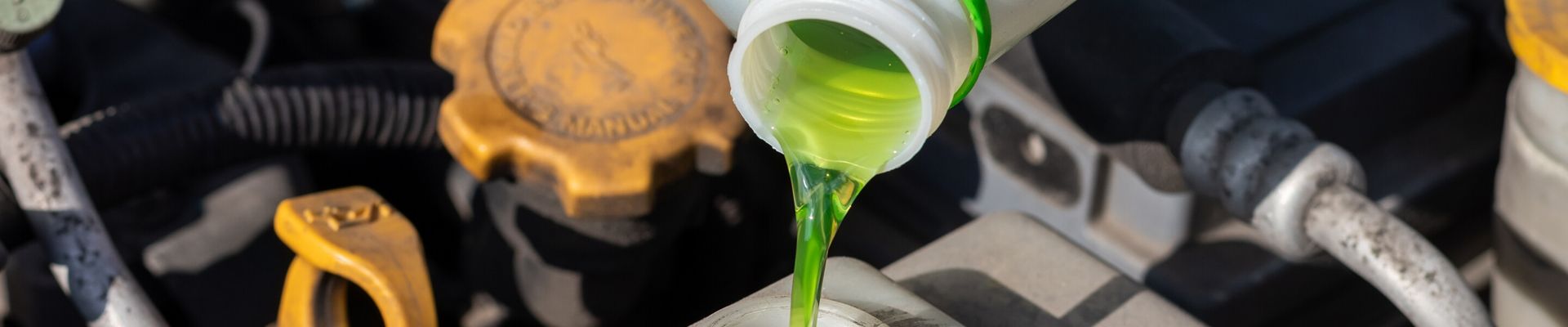
While you drive, your engine generates a significant amount of heat; engine coolant regulates this temperature surge, keeping your vehicle healthy and happy in the long run.
If you're looking for the best cooling agent for your General Motors model, GM Parts Direct is a trusted source for authentic components and accessories. Do right by your system and shop online for a high-quality, GM-approved engine coolant today.
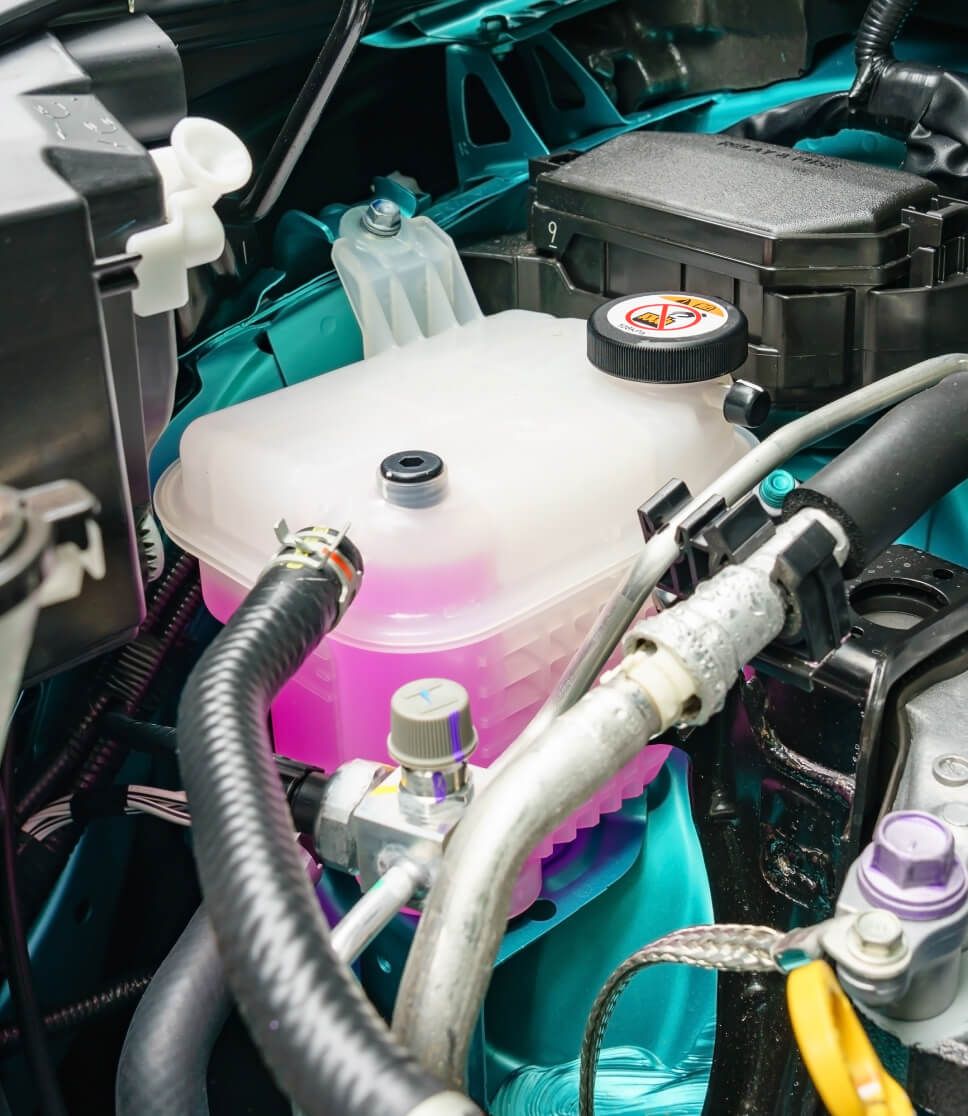
What Is Engine Coolant?
Let's start with the basics: What is engine coolant, and why is it so important? Coolant is a mix of pure water and a glycol-based chemical compound designed to flow through your engine and regulate its temperature. The fluid also balances out cold temperatures, which is where it gets its other name, "antifreeze." However, there is a slight difference between coolant and antifreeze, as discussed below.
Coolant is a vital component of your vehicle's powertrain, promoting performance, efficiency, longevity, and above all, safety; changing it regularly can prevent costly engine damage from extreme temperatures.
Your engine is a complex system of moving parts that can be subject to overheating or freezing, especially in the summer or winter; it requires a high-quality cooling agent. GM Parts Direct has General Motors-recommended products ready to order in our online catalog. Whether you're a professional auto mechanic or hoping to change your coolant at home, we have what you need to get the job done right.
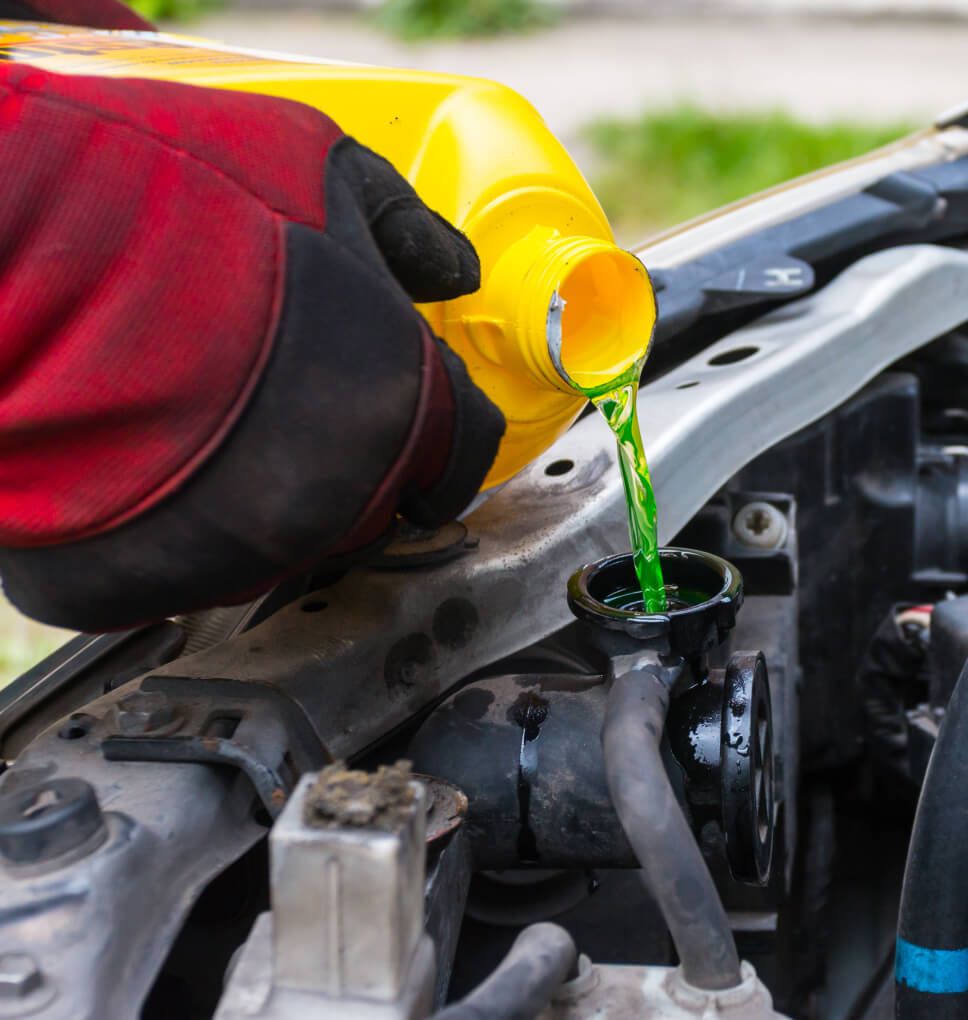
How Does Engine Coolant Work?
Similarly to how your engine oil picks up and flushes out contaminants, your engine coolant absorbs heat and transports it to the radiator, where it can exit the system. Cooled by a fan near the vent, the fluid then cycles back to the engine. Our GM Parts Direct inventory includes another important piece of the puzzle: the engine coolant thermostat. This sophisticated tool responds to the system's internal temperature by sending just the right amount of coolant to the engine. It opens when the temperature rises, allowing more fluid in, and closes in cold weather to allow the system to heat up.
As a hub for General Motors repairs and replacements, GM Parts Direct features a wide selection of components that go hand-in-hand with engine coolant: coolant hoses, lines, seals, sensors, and more. You don't have to look elsewhere for an engine coolant reservoir or thermostat housing gaskets; we've got them right here in our online store.
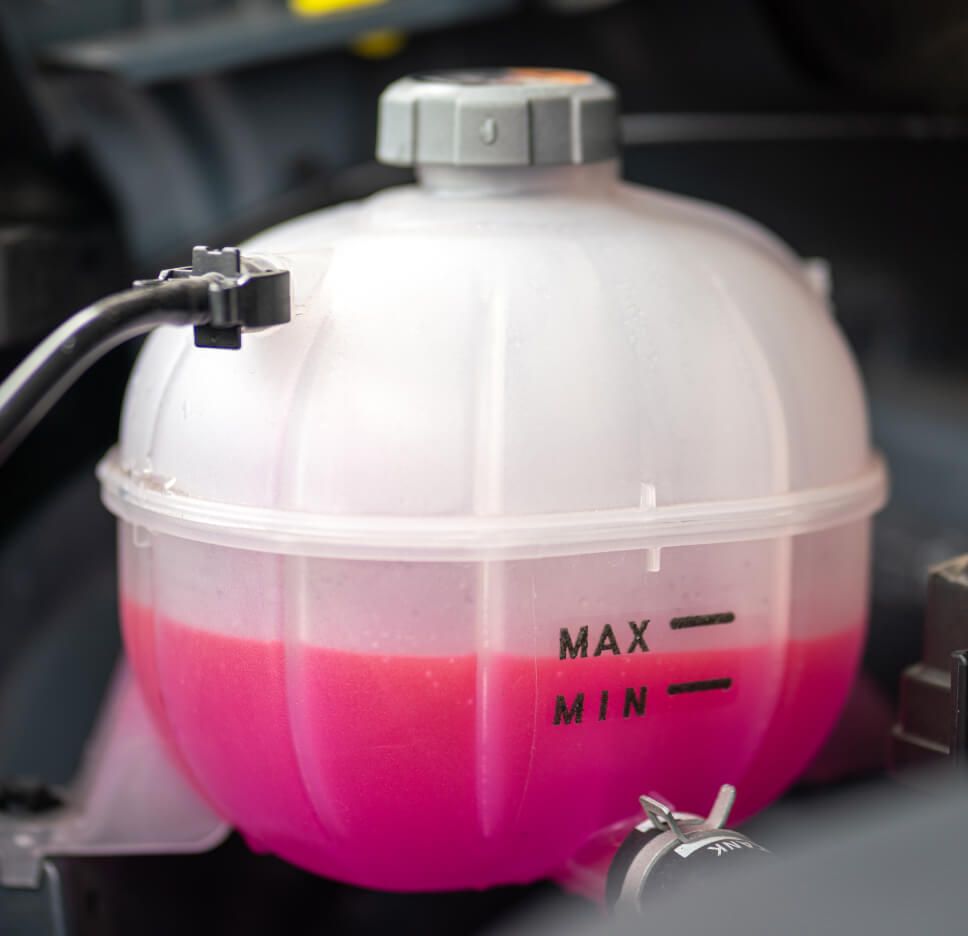
Engine Coolant vs. Antifreeze: What Is the Difference?
Antifreeze and coolant are often used interchangeably but have distinct functions. Coolant is the base fluid that maintains a neutral engine temperature, while antifreeze is a product that can be mixed with coolant in very cold driving scenarios. If your engine coolant temperature regulation system requires a boost, a little antifreeze is what you need. The recommended ratio is 50/50.
Did you know antifreeze also works to temper heat? Engine ice coolant is a combination of the two fluids that heightens the boiling point and lowers the freezing point, making it ideal for high-performance vehicles or maintaining your automobile in wintry climates. When deciding on a product in our online store, please make sure it is compatible with your exact model.
Which Engine Coolant Should I Use on My Car?
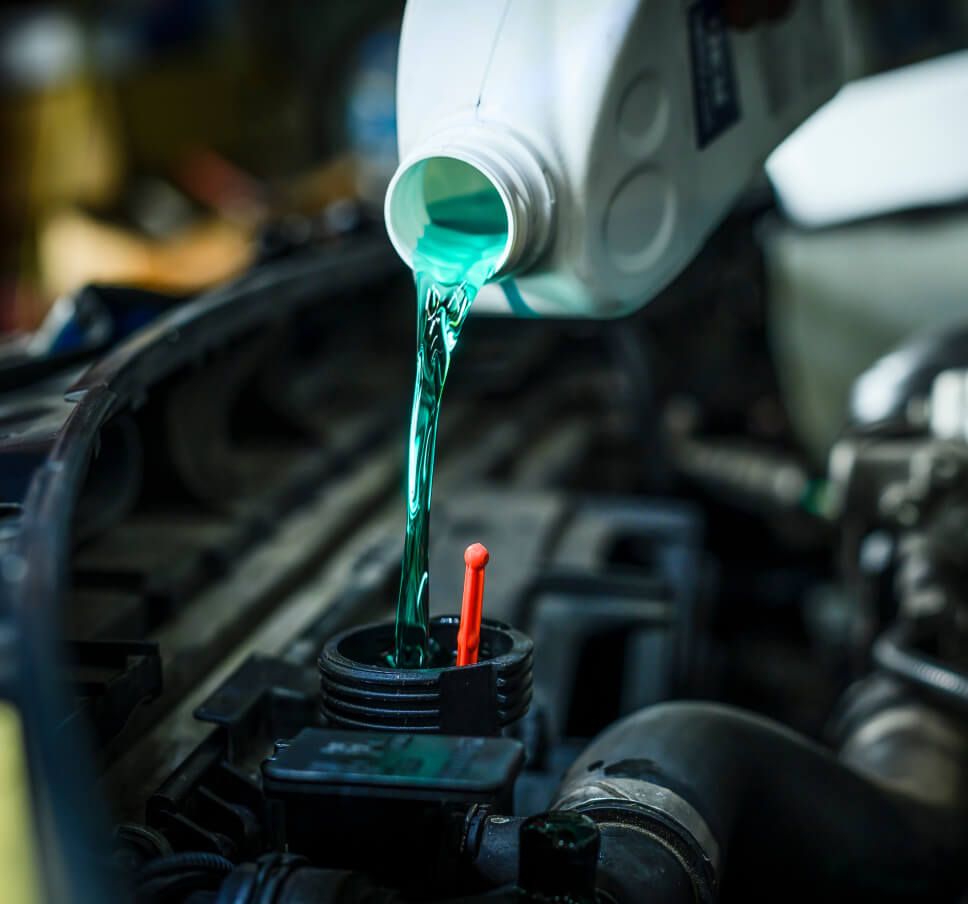
Not all coolant types are universal, so you should carefully choose your product when placing an order. Using the wrong type could lead to your engine overheating – or underheating – which can cause expensive damage.
You can ensure you're selecting the right product by searching our inventory by make, model, and year your car was released. Another way to search our catalog precisely is by entering your vehicle identification number, which may be found on your title, registration, dashboard, or elsewhere throughout the car. When in doubt, reach out to our support staff, and we can point you toward the right coolant for your exact model.
How Long Should You Wait Before Adding Coolant?
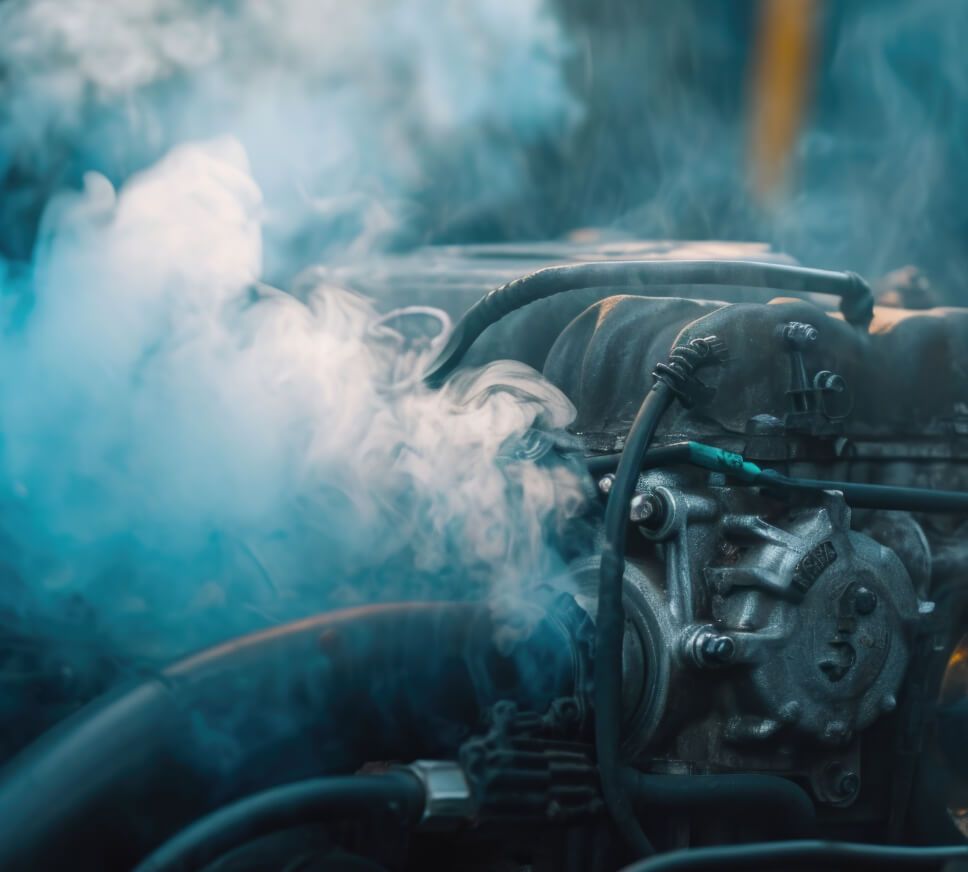
If your coolant level is running low and you have to add more, wait about 30 to 90 minutes after driving before opening the cap. This allows the system enough time to cool down. You could burn yourself on the components while pouring the coolant, and a red-hot system is not the most receptive to the fluid.
If you're topping up coolant because of cold weather, you don't have to wait as long. However, we advise you to follow the guidelines in your driver's manual to ensure you are doing what the manufacturer recommends for your model. Proper handling of a coolant refresh is critical to ensure safety for you and your vehicle's system.
How Do You Fix Engine Coolant Leaking?
If you notice that your model is constantly overheating, showing low coolant levels inside the radiator, or emitting thick smoke, you might have a coolant leak on your hands. While we recommend seeking professional help, you can complete a home repair with the proper tools and level of expertise.
First, find the source of the leak. Is it in the hose? The seal? The radiator cap? Then, find the precise parts you need for your vehicle's exact year, make, and model in our sweeping inventory. Bring your GM product to your nearest certified service center for an expert installation.
What Happens if the Coolant Is Low?
Regardless of outside temperature, when your vehicle has a low coolant level, you shouldn't drive it too much. The first little symptoms you may notice are decreased acceleration and worsening fuel efficiency. A smoking, underperforming engine may come next. If you continue to ignore these warning signs, your wallet could take a big hit. We strongly recommend having a backup supply of General Motors-certified coolant in your garage or your trunk during the summer and winter months, just in case you need to top up on the fly.
What Is the Symbol for Engine Coolant?
Your vehicle tells you its needs in several ways, but the dashboard is its most direct form of communication. The engine coolant symbol resembles a thermometer floating in water and can indicate various issues. For General Motors models and most auto brands, it typically appears in blue, which does not indicate an urgent issue. When the engine coolant symbol is red, this is likely a sign that something has gone dramatically awry.
However, it is also a good idea to check the meaning of the dashboard symbols in your driver's manual to ensure you have full awareness of what your vehicle is trying to tell you at any given moment. For example, a red engine coolant symbol could be a sign of a more hazardous issue. We will discuss this warning light in greater detail below.
Can I Drive With the Coolant Light On?
The answer to this question depends on several factors you should familiarize yourself with. If the engine coolant symbol light is blue and appears for only a few minutes or so, it could be a harmless reminder to wait for your engine to hit an optimal temperature before you start to drive. For instance, if you start your car on a chilly morning or in the middle of a cold winter, the coolant light wants you to warm up your engine. If you spot the blue thermometer when starting your ignition in hot weather, it is probably telling you to wait for your vehicle to cool down before hitting the road.
If you begin driving and notice the light hasn't gone away after a couple of minutes. You could be experiencing anything from an engine coolant leak to a malfunctioning engine coolant sensor. It might be time to see a professional or order more engine coolant.
On the other hand, if the engine coolant light is red, this is almost certainly a cause for concern. Pull over immediately and contact a service expert to address the situation and stop the engine from overheating entirely. Ignoring the red coolant light puts you and others at immediate risk on the road.
GM Parts Direct engine coolant is designed to last a long time, helping you maintain the reliability of your General Motors vehicle. In tandem with our OEM-specific components, such as Cadillac or Chevrolet parts, we aim to keep your dashboard free of warning lights for a long time to come.
Where To Buy High-Quality Engine Coolant for Your GM Vehicle
From GMC parts to Buick accessories, the GM Parts Direct catalog is well-stocked to meet your maintenance and repair needs. Our inventory is easy to browse thanks to advanced search filters for make, model, year, VIN, color, condition, price, and more. If you need help finding the proper product, you will find our support team knowledgeable and open to answering any questions or troubleshooting issues. We'll help you find and order the right coolant.
You can also save through one of our generous parts deals, which provide great value for your money. A manufacturer-backed warranty also covers most GM Parts Direct products1 so you can hit "order" with confidence in your purchase.
Find Engine Coolant Products Quickly:
1Warranties listed on this web page shall not be solely relied upon. Warranties may be subject to specific terms, restrictions, exclusions, and fees. Additional warranty information may be obtained by visiting the official website of the warranty provider. Contact our dealership for complete details.